2023
Kosher Climate
Mangrove Plantation Impact Film - Sunderbans | Kosher Climate
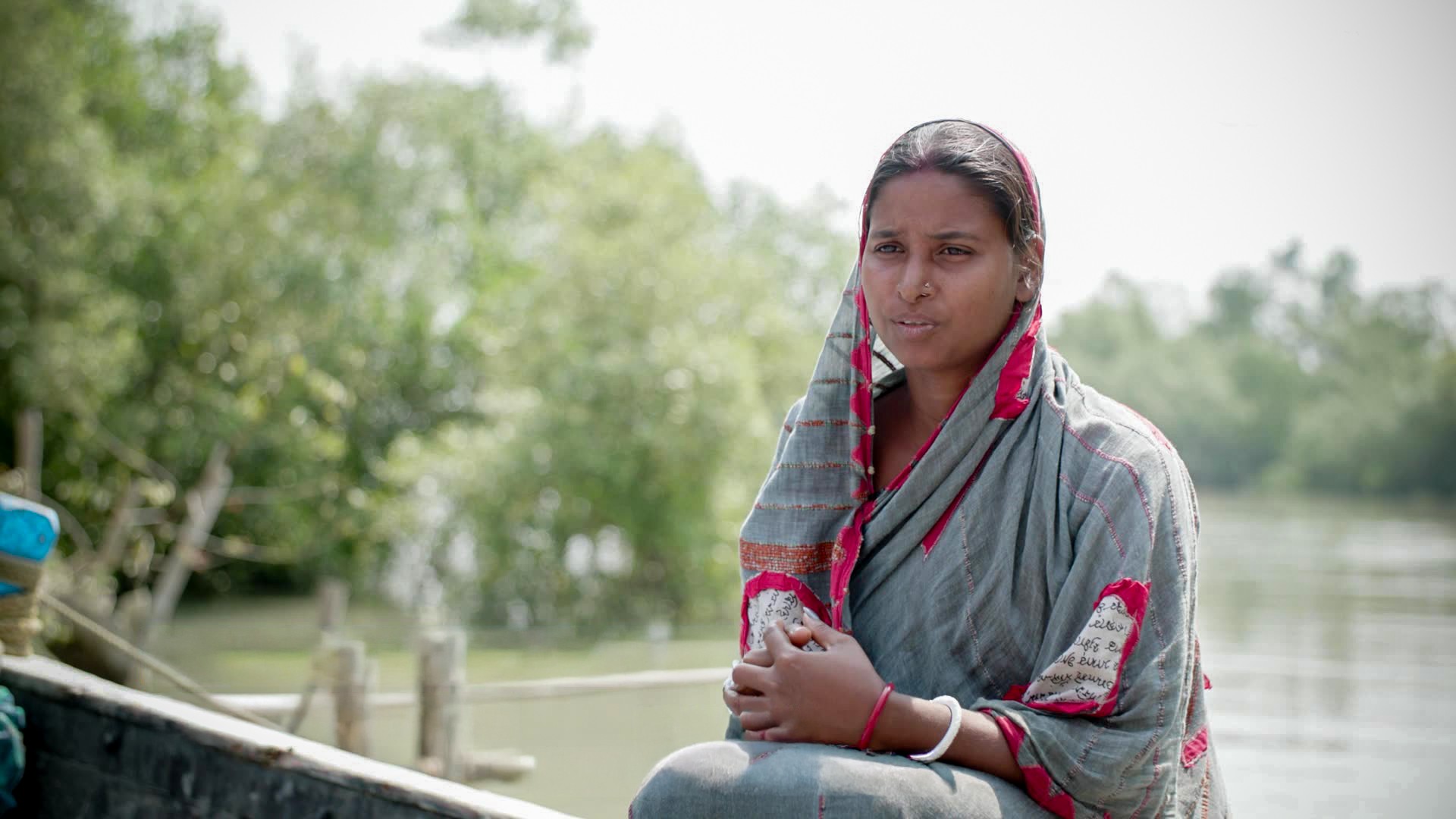
A cinematic field documentary capturing Kosher Climate’s large-scale mangrove restoration efforts across the Sundarbans. Shot in remote delta regions with real community voices, the film highlights the ecological urgency and human resilience behind one of India’s most ambitious restoration programs.
Documentary
Social Impact
Overview
Mangroves are the first line of defense for coastal communities. Yet, between 1996 and 2020, India lost over 1545 sq. km of mangrove cover, leaving millions vulnerable to cyclones, tidal surges and flooding.
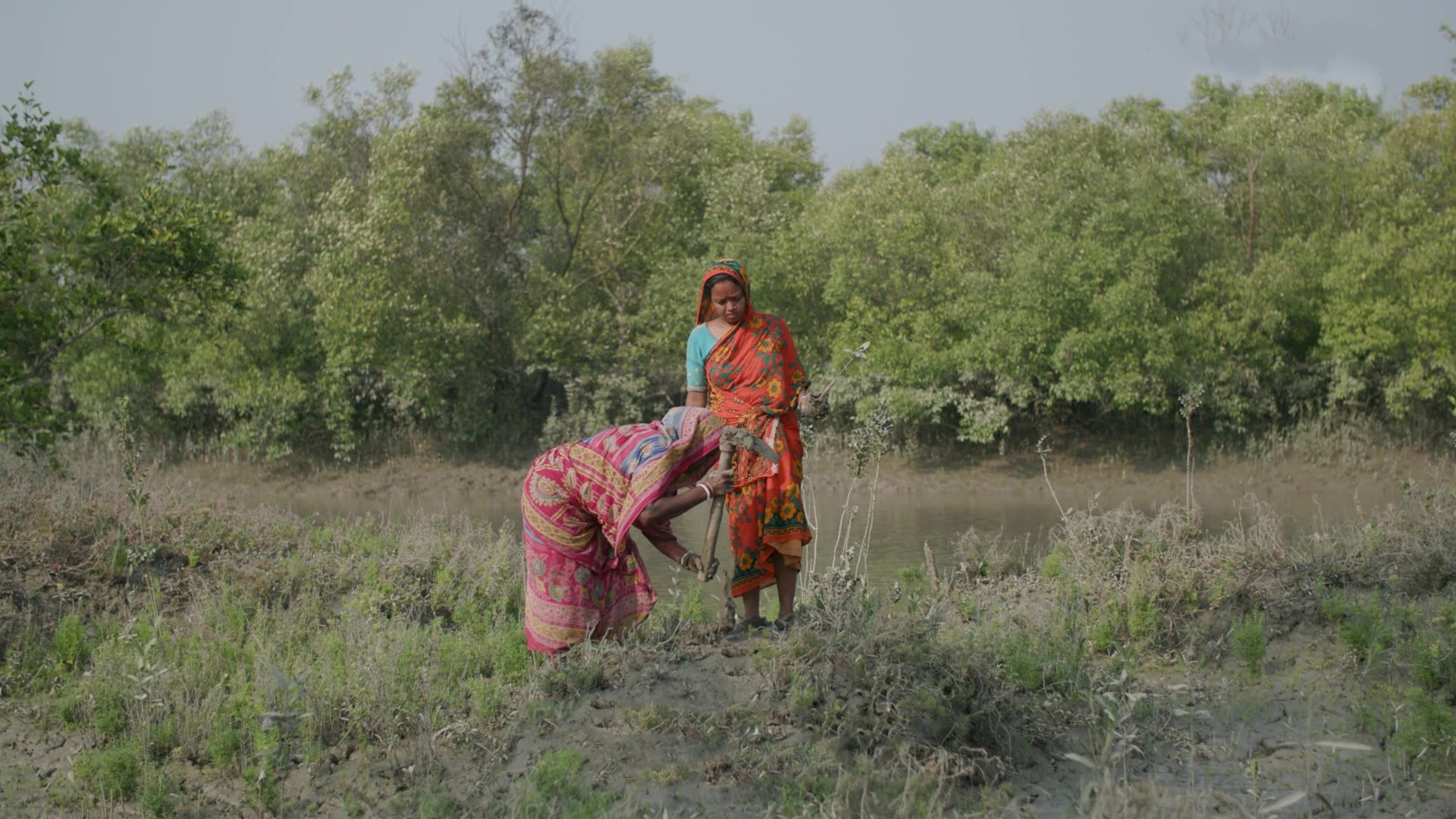
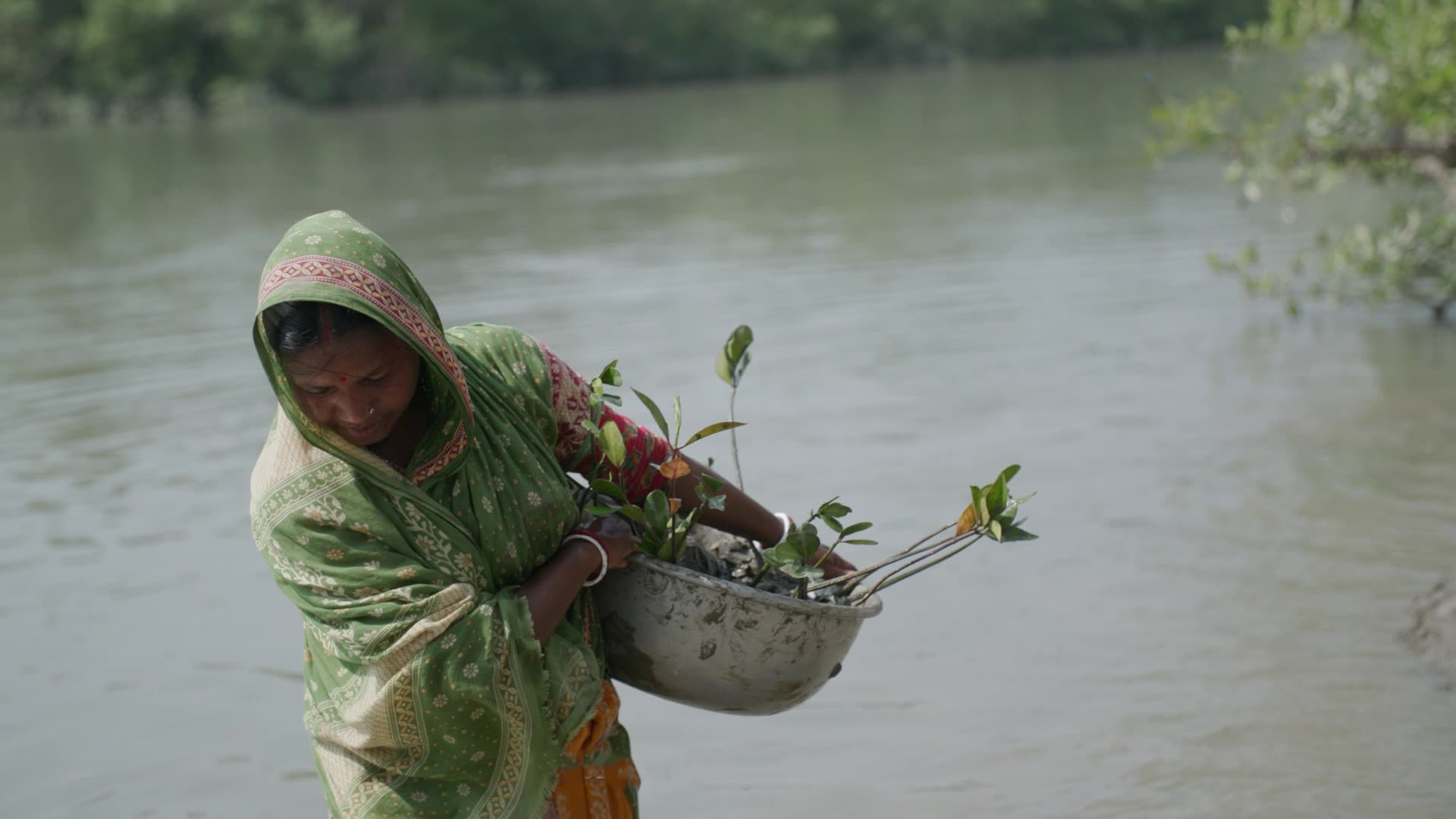
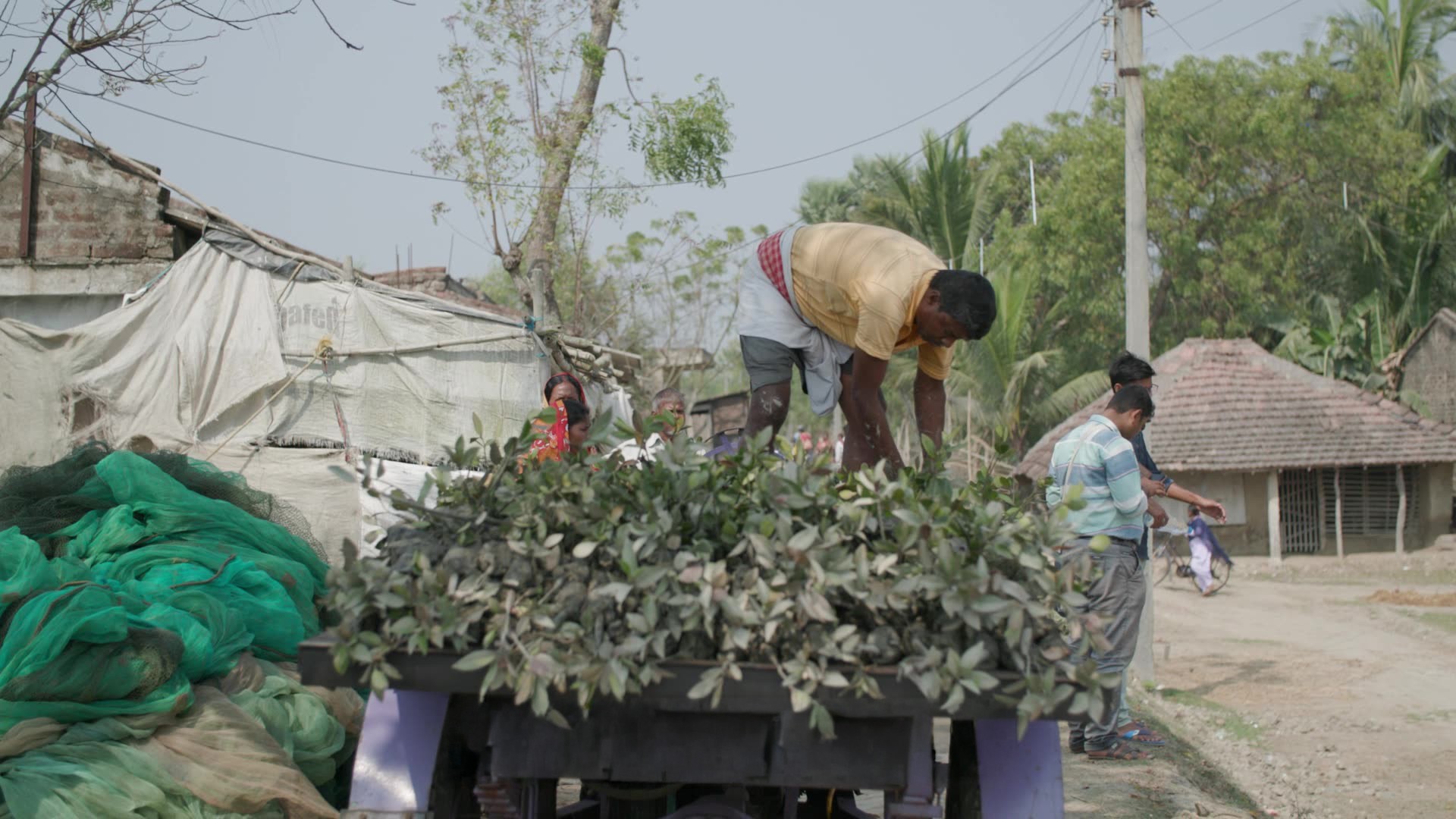
Kosher Climate is restoring 1000+ hectares of mangrove ecosystems in the West Bengal Sundarbans. The initiative not only strengthens the region’s ecological backbone, but also generates sustainable employment for 700+ local residents, 90% of whom are women.
What was the challenge or idea?
The Sundarbans are visually stunning, but extremely difficult terrain for filmmaking—tidal timings, riverine mobility, unpredictable weather and deep-forest access create real limitations. The idea was to build a film that feels intimate and grounded instead of typically polished CSR content.
We wanted the audience to feel:
The sheer vulnerability of the landscape
The importance of mangroves as natural protectors
The dignity and agency of the women restoring the land
This was not just a plantation story. It was a story of ecology meeting livelihood, and how local communities become custodians of climate solutions.
How did Rotten Tree approach it?
To bring authenticity and scale:
Shot on-location in remote Sundarbans clusters, often accessible only by boat
Early-tide and golden-hour cinematography to capture the changing river/light conditions
Drone mapping shots to show landscape-level degradation and restoration patterns
On-ground sound & voice captures to bring the raw texture of real stories
Minimal scripting to allow natural community voices to lead the narrative
Eco-sensitive crew footprint, ensuring zero disturbance to plantation sites
The visual language combines documentary realism with warm, human storytelling—highlighting both the scientific and emotional value of mangrove ecosystems.
Impact & Usage
The film serves multiple purposes for Kosher Climate:
Climate investor presentations
Stakeholder communication and reporting
International Day of Mangrove Conservation campaigns
On-ground community mobilisation
Awareness for global climate funders
It positions Kosher Climate as a serious implementation and impact-focused organisation, while giving visibility to the women leading the restoration.
Credits
Client
Kosher Climate
Produced & Executed By
Rotten Tree Productions
Direction
Ajinkya Sharma
Script
Maitri Patel (Kosher Climate)
Format
Documentary / Impact Film
Location
Sundarbans, West Bengal
Cinematography
Ajinkya Sharma
Post-Production
Rotten Tree Productions
Sound & Music
Natural sound and licensed music
Voiceover
Shuvankar Ghosh
Special Thanks
Local communities of the Sundarbans
Workforce involved in mangrove restoration
Kosher Climate Team
Maitri Patel
Neelesh Sachdeva
Trivia
Most scenes were shot between tidal windows giving us less than 40–50 minutes at certain spots before the water levels rose.
Our crew travelled by wooden country boats carrying equipment safely through narrow channels.
The featured women’s groups insisted on completing their plantation work before giving interviews, keeping the film grounded in reality.
Kosher Climate • Mangrove Restoration • Sundarbans Documentary • Blue Carbon • Climate Action Film • Ecosystem Restoration • Women-led Climate Work • Impact Storytelling • Environmental Awareness • Nature-based Solutions
Want to tell the story of your climate or impact initiative with authenticity and scale? Let’s create films that move people and drive action.
More Works
(RTP® — 02)
FAQ
01
What kind of stories do you work on?
02
I don’t have a clear brief, is that a problem?
03
Do you only do big productions?
04
How involved can I be in the process?
05
What if I want something experimental?
06
How do you charge for projects?
07
Do you travel for shoots?
08
Why the name Rotten Tree?
2023
Kosher Climate
Mangrove Plantation Impact Film - Sunderbans | Kosher Climate
A cinematic field documentary capturing Kosher Climate’s large-scale mangrove restoration efforts across the Sundarbans. Shot in remote delta regions with real community voices, the film highlights the ecological urgency and human resilience behind one of India’s most ambitious restoration programs.
Documentary
Social Impact
Overview
Mangroves are the first line of defense for coastal communities. Yet, between 1996 and 2020, India lost over 1545 sq. km of mangrove cover, leaving millions vulnerable to cyclones, tidal surges and flooding.
Kosher Climate is restoring 1000+ hectares of mangrove ecosystems in the West Bengal Sundarbans. The initiative not only strengthens the region’s ecological backbone, but also generates sustainable employment for 700+ local residents, 90% of whom are women.
What was the challenge or idea?
The Sundarbans are visually stunning, but extremely difficult terrain for filmmaking—tidal timings, riverine mobility, unpredictable weather and deep-forest access create real limitations. The idea was to build a film that feels intimate and grounded instead of typically polished CSR content.
We wanted the audience to feel:
The sheer vulnerability of the landscape
The importance of mangroves as natural protectors
The dignity and agency of the women restoring the land
This was not just a plantation story. It was a story of ecology meeting livelihood, and how local communities become custodians of climate solutions.
How did Rotten Tree approach it?
To bring authenticity and scale:
Shot on-location in remote Sundarbans clusters, often accessible only by boat
Early-tide and golden-hour cinematography to capture the changing river/light conditions
Drone mapping shots to show landscape-level degradation and restoration patterns
On-ground sound & voice captures to bring the raw texture of real stories
Minimal scripting to allow natural community voices to lead the narrative
Eco-sensitive crew footprint, ensuring zero disturbance to plantation sites
The visual language combines documentary realism with warm, human storytelling—highlighting both the scientific and emotional value of mangrove ecosystems.
Impact & Usage
The film serves multiple purposes for Kosher Climate:
Climate investor presentations
Stakeholder communication and reporting
International Day of Mangrove Conservation campaigns
On-ground community mobilisation
Awareness for global climate funders
It positions Kosher Climate as a serious implementation and impact-focused organisation, while giving visibility to the women leading the restoration.
Credits
Client
Kosher Climate
Produced & Executed By
Rotten Tree Productions
Direction
Ajinkya Sharma
Script
Maitri Patel (Kosher Climate)
Format
Documentary / Impact Film
Location
Sundarbans, West Bengal
Cinematography
Ajinkya Sharma
Post-Production
Rotten Tree Productions
Sound & Music
Natural sound and licensed music
Voiceover
Shuvankar Ghosh
Special Thanks
Local communities of the Sundarbans
Workforce involved in mangrove restoration
Kosher Climate Team
Maitri Patel
Neelesh Sachdeva
Trivia
Most scenes were shot between tidal windows giving us less than 40–50 minutes at certain spots before the water levels rose.
Our crew travelled by wooden country boats carrying equipment safely through narrow channels.
The featured women’s groups insisted on completing their plantation work before giving interviews, keeping the film grounded in reality.
Kosher Climate • Mangrove Restoration • Sundarbans Documentary • Blue Carbon • Climate Action Film • Ecosystem Restoration • Women-led Climate Work • Impact Storytelling • Environmental Awareness • Nature-based Solutions
Want to tell the story of your climate or impact initiative with authenticity and scale? Let’s create films that move people and drive action.
More Works
(RTP® — 02)
FAQ
01
What kind of stories do you work on?
02
I don’t have a clear brief, is that a problem?
03
Do you only do big productions?
04
How involved can I be in the process?
05
What if I want something experimental?
06
How do you charge for projects?
07
Do you travel for shoots?
08
Why the name Rotten Tree?
2023
Kosher Climate
Mangrove Plantation Impact Film - Sunderbans | Kosher Climate
A cinematic field documentary capturing Kosher Climate’s large-scale mangrove restoration efforts across the Sundarbans. Shot in remote delta regions with real community voices, the film highlights the ecological urgency and human resilience behind one of India’s most ambitious restoration programs.
Documentary
Social Impact
Overview
Mangroves are the first line of defense for coastal communities. Yet, between 1996 and 2020, India lost over 1545 sq. km of mangrove cover, leaving millions vulnerable to cyclones, tidal surges and flooding.
Kosher Climate is restoring 1000+ hectares of mangrove ecosystems in the West Bengal Sundarbans. The initiative not only strengthens the region’s ecological backbone, but also generates sustainable employment for 700+ local residents, 90% of whom are women.
What was the challenge or idea?
The Sundarbans are visually stunning, but extremely difficult terrain for filmmaking—tidal timings, riverine mobility, unpredictable weather and deep-forest access create real limitations. The idea was to build a film that feels intimate and grounded instead of typically polished CSR content.
We wanted the audience to feel:
The sheer vulnerability of the landscape
The importance of mangroves as natural protectors
The dignity and agency of the women restoring the land
This was not just a plantation story. It was a story of ecology meeting livelihood, and how local communities become custodians of climate solutions.
How did Rotten Tree approach it?
To bring authenticity and scale:
Shot on-location in remote Sundarbans clusters, often accessible only by boat
Early-tide and golden-hour cinematography to capture the changing river/light conditions
Drone mapping shots to show landscape-level degradation and restoration patterns
On-ground sound & voice captures to bring the raw texture of real stories
Minimal scripting to allow natural community voices to lead the narrative
Eco-sensitive crew footprint, ensuring zero disturbance to plantation sites
The visual language combines documentary realism with warm, human storytelling—highlighting both the scientific and emotional value of mangrove ecosystems.
Impact & Usage
The film serves multiple purposes for Kosher Climate:
Climate investor presentations
Stakeholder communication and reporting
International Day of Mangrove Conservation campaigns
On-ground community mobilisation
Awareness for global climate funders
It positions Kosher Climate as a serious implementation and impact-focused organisation, while giving visibility to the women leading the restoration.
Credits
Client
Kosher Climate
Produced & Executed By
Rotten Tree Productions
Direction
Ajinkya Sharma
Script
Maitri Patel (Kosher Climate)
Format
Documentary / Impact Film
Location
Sundarbans, West Bengal
Cinematography
Ajinkya Sharma
Post-Production
Rotten Tree Productions
Sound & Music
Natural sound and licensed music
Voiceover
Shuvankar Ghosh
Special Thanks
Local communities of the Sundarbans
Workforce involved in mangrove restoration
Kosher Climate Team
Maitri Patel
Neelesh Sachdeva
Trivia
Most scenes were shot between tidal windows giving us less than 40–50 minutes at certain spots before the water levels rose.
Our crew travelled by wooden country boats carrying equipment safely through narrow channels.
The featured women’s groups insisted on completing their plantation work before giving interviews, keeping the film grounded in reality.
Kosher Climate • Mangrove Restoration • Sundarbans Documentary • Blue Carbon • Climate Action Film • Ecosystem Restoration • Women-led Climate Work • Impact Storytelling • Environmental Awareness • Nature-based Solutions
Want to tell the story of your climate or impact initiative with authenticity and scale? Let’s create films that move people and drive action.
More Works
(RTP® — 02)
FAQ
What kind of stories do you work on?
I don’t have a clear brief, is that a problem?
Do you only do big productions?
How involved can I be in the process?
What if I want something experimental?
How do you charge for projects?
Do you travel for shoots?
Why the name Rotten Tree?